 Business License
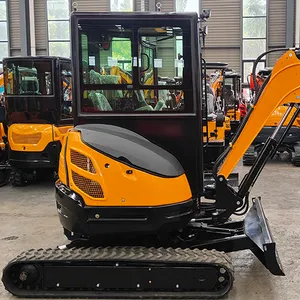
Can a Mini Mobile Jaw Crusher Recycle Concrete on Site? Output, Costs and Machine Selection
Quick Answer
Yes. A mini mobile jaw crusher can process concrete, bricks and suitable construction waste directly at a job site. For small demolition and building projects, it can reduce waste transportation, disposal and replacement aggregate costs.
A compact crusher is not suitable for every project. Before selecting one, contractors should confirm the material type, maximum feed size, required daily output and whether steel reinforcement can be removed before crushing.
What Is On-Site Concrete Crushing?
On-site concrete crushing means processing broken concrete at the demolition or construction site instead of transporting all of it to an external recycling facility.
The resulting material may be reused for road sub-base, driveway foundations, trench backfilling, temporary access roads, landscaping work and general site levelling. Local engineering requirements should be checked before recycled concrete is used in structural work.
The main advantage is simple: fewer loads of waste leave the site, and less new aggregate needs to be delivered.
What Materials Can a Mini Jaw Crusher Process?
A mini mobile jaw crusher is generally suitable for:
• Non-reinforced concrete
• Concrete with reinforcement removed
• Bricks and blocks
• Natural stone within the permitted feed size
• Construction and demolition waste
• Stone factory offcuts
It should not be used to crush wood, plastic or loose metal. Reinforcing steel should be separated before the material enters a compact jaw crusher.
Concrete pieces larger than the crusher’s feed opening must first be reduced with a hydraulic breaker or another suitable attachment.
How Does a Mini Concrete Crusher Work?
A jaw crusher breaks material by compressing it between a fixed jaw plate and a moving jaw plate. Material enters through the feed opening and is crushed repeatedly until it is small enough to leave the chamber.
Actual output depends on several factors:
• Material hardness
• Moisture content
• Maximum input size
• Consistency of the feed
• Required final particle size
• Operator experience
For this reason, the maximum capacity shown in a specification sheet should not be treated as a guaranteed output for every material.
What Size Crusher Is Suitable for a Small Contractor?
A small contractor should select a crusher according to the normal workload, not according to the largest project the company may handle in the future.
A compact machine may be suitable when:
• Concrete and brick waste is produced regularly
• The crusher needs to move between job sites
• Access space is limited
• A small excavator will be used for loading
• Daily production requirements are relatively low
• Trailer transport is important
A higher-capacity crusher is more appropriate for continuous recycling, large demolition projects or quarry production.
LUYUE LY430: A Compact Option for Small Projects
The LUYUE LY430 is a diesel-powered mobile jaw crusher designed for small construction, demolition and recycling jobs.
Key specifications:
• Feed opening: 220 × 350 mm
• Estimated output: 3–5 tonnes per hour
• Machine weight: approximately 1,850 kg
• Transport dimensions: 2,100 × 1,000 × 1,750 mm
• Suitable materials: concrete, bricks, construction waste and stone
• Certification: CE
The LY430 is intended for small or occasional crushing work. Its compact size makes it easier to transport and operate in restricted spaces than a large recycling or quarry crusher.
The stated output of 3–5 tonnes per hour is an estimate. Actual production varies according to the material, feed preparation and working conditions.
More information about LUYUE mobile jaw crushers is available from Jining Luyue International Trade Co., Ltd. at https://luyuemachinery.com/
How Much Money Can On-Site Concrete Crushing Save?
There is no single saving figure that applies to every contractor. The result depends heavily on local disposal, transport, labour and aggregate prices.
A practical calculation should include:
Annual crushing value = avoided disposal costs + avoided transport costs + reduced aggregate purchases − fuel, maintenance and wear-part costs
For example, if a contractor sends several truckloads of concrete waste away every month and later purchases aggregate for backfilling, on-site crushing may reduce costs at both stages.
However, purchasing a machine may not be economical when only a few tonnes of waste are produced each year. In that situation, renting a crusher or using a local crushing service may be the better choice.
This calculation should be completed before choosing a machine.
How Should Concrete Be Prepared Before Crushing?
Good preparation improves both output and machine reliability.
Separate unsuitable material
Remove wood, plastic, cables and other mixed waste before crushing.
Remove reinforcement
Exposed reinforcing steel should be removed. Compact jaw crushers are designed to crush mineral materials rather than metal.
Reduce oversized pieces
Concrete blocks that exceed the permitted feed size should be broken into smaller pieces before loading.
Use a suitable excavator bucket
An oversized bucket can make controlled feeding difficult. The bucket should match the crusher’s hopper and feed opening.
Maintain a steady feed
Loading too much material at once can reduce efficiency or cause a blockage. Consistent feeding normally produces better results.
Mini Crusher or Large Crusher: Which One Is Better?
Neither option is automatically better.
Choose a mini crusher when mobility, restricted access, lower hourly demand and simple transportation are the main priorities.
Choose a larger crusher when the project requires continuous operation, higher daily production, larger feed material or more advanced screening and separation systems.
Buying a crusher that is too small may cause slow production. Buying one that is unnecessarily large increases transport, fuel and investment costs.
Questions to Ask a Crusher Supplier
Before requesting a quotation, provide the supplier with:
• Material type
• Maximum material dimensions
• Required finished particle size
• Expected tonnes per hour or per day
• Working hours per day
• Loading equipment available
• Job-site access restrictions
• Intended use: own projects, rental or resale
• Destination country and preferred delivery terms
A reliable recommendation cannot be based only on the name of the material. Concrete size, reinforcement and expected working volume are equally important.
Frequently Asked Questions
Can a mini jaw crusher crush reinforced concrete?
The concrete can be crushed after exposed reinforcing steel has been removed. Feeding loose or long steel bars into a compact crusher may damage the machine or cause a blockage.
How many tonnes per hour can a mini concrete crusher produce?
Capacity varies by model. The LUYUE LY430 has an estimated output of 3–5 tonnes per hour under suitable working conditions. Hardness, feed size and operator control can change the actual result.
Can crushed concrete be reused?
Yes. It is commonly reused for non-structural applications such as road sub-base, backfilling, temporary roads and landscaping foundations. Local construction requirements should be checked before use.
Can large concrete blocks be placed directly into the crusher?
Only when they are within the machine’s permitted feed dimensions. Oversized blocks must be reduced before crushing.
Is a mini crusher easy to transport?
Compact crushers are designed with mobility in mind, but the towing vehicle, trailer capacity and local transport regulations must match the machine’s weight and dimensions.
Is buying a crusher better than renting one?
Buying may be suitable for contractors who generate concrete waste regularly. Renting may be more economical for one-time projects or very low annual workloads.
Conclusion
A mini mobile jaw crusher can help a contractor recycle concrete directly at the job site, but the machine must match the actual material and workload.
For small demolition, construction and landscaping projects, the LUYUE LY430 offers an estimated output of 3–5 tonnes per hour in a compact 1,850 kg machine. For continuous or high-volume production, a larger model should be considered.
The best buying decision is made by comparing feed size, daily workload, transportation conditions and local waste disposal costs—not by comparing purchase price alone.
About the Author
This article was prepared by the mobile crushing equipment team at Jining Luyue International Trade Co., Ltd., manufacturer and exporter of LUYUE compact construction machinery. The recommendations are based on common customer applications involving concrete, bricks, stone and construction waste.
Recently Posted
-
Mobile Jaw Crusher for Construction Waste Recycling: A Smarter Way to Reduce Costs
July 24, 2026Construction waste has become one of the biggest challenges in modern building projects. Concrete, bricks, natural stone, and demo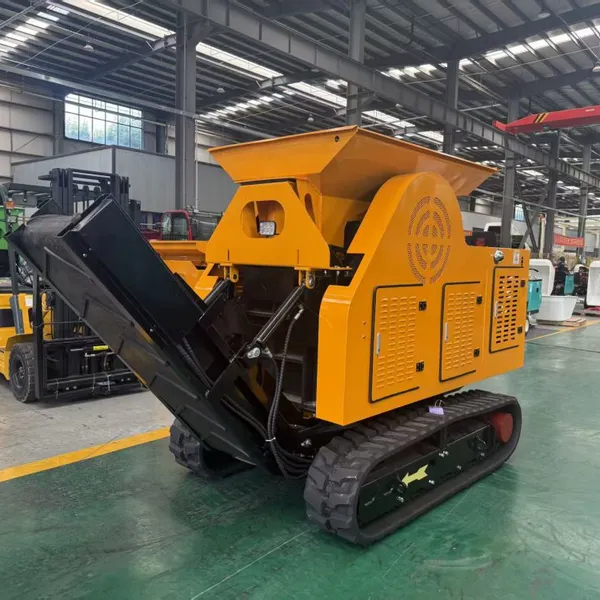 Read More
-
Why Investing in a Mobile Jaw Crusher Can Increase Your Business Profitability
July 24, 2026For construction contractors, demolition companies, and recycling businesses, controlling operating costs is just as important as Read More
-
How a Compact Mobile Crusher Helps Reduce Construction Costs and Improve Recycling
July 2, 2026The construction industry is increasingly focusing on efficiency, sustainability, and cost control. Every demolition or renovation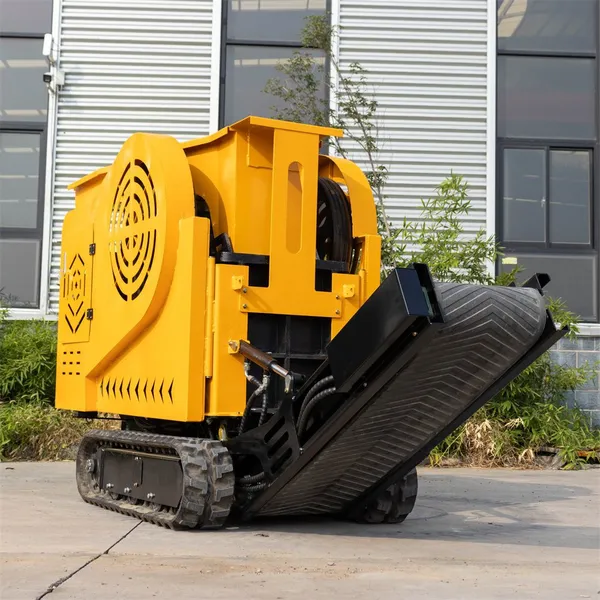 Read More
-
How a Compact Mobile Jaw Crusher Helps Reduce Concrete Waste Disposal Costs on Small Job Sites
June 25, 2026How a Compact Mobile Jaw Crusher Helps Reduce Concrete Waste Disposal Costs on Small Job SitesFor many contractors, builders, and
Read More

Contact Us
Recommended Products
-
 Luyue LY510 Mobile Jaw Crusher for Concrete, Stone & Construction Waste RecyclingUS$ 7680MOQ: 1 Set
-
Luyue 430 Mobile Jaw Crusher for Concrete, Stone & Construction Waste RecyclingUS$ 6600MOQ: 1 Set
-
LUYUE JC510 Tracked Mobile Jaw Crusher for Concrete, Stone and Construction Waste RecyclingUS$ 7680MOQ: 1 Combo
-
LUYUE JC430 Compact Mobile Jaw Crusher for Concrete, Brick and Construction Waste RecyclingUS$ 6600MOQ: 1 Combo
-
LUYUE LY-20 Premium 2 Ton Mini Excavator Compact Crawler Digger With Canopy for Heavy Duty Garden Farm WorkUS$ 1200 - 2300MOQ: 1 Piece
-
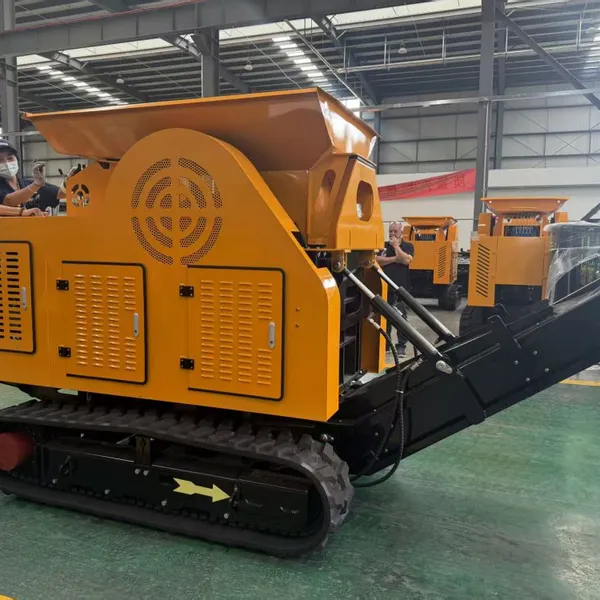
LUYUE LY-30 Zero Tail Swing 3 Ton Mini Excavator Compact Crawler Digger With Enclosed AC Cab for ConstructionUS$ 5240 - 5600MOQ: 1 Piece
-
LUYUE LY-20 Minibagger 2 Ton Mini Excavator Short Tail Crawler Digger With Canopy for Construction Landscaping FarmUS$ 2200 - 2300MOQ: 1 Piece
-
LUYUE LY-12 Minibagger 1.2 Ton Mini Excavator Compact Crawler Digger With Canopy for Garden Farmland WorkUS$ 1200 - 2000MOQ: 1 Piece
-
LUYUE Heavy Duty 1.5 Ton Mini Excavator Zero Tail Crawler Digger With Hydraulic Pilot Joystick for Rental LandscapingUS$ 1200 - 2300MOQ: 1 Piece
-
LUYUE LY-15 Minibagger 1.5 Ton Mini Excavator Compact Crawler Digger With Canopy for Garden Farm WorkUS$ 1200 - 2000MOQ: 1 Piece
-
LUYUE LY-10 Minibagger 1 Ton Mini Excavator Small Digger With Canopy for Garden Farm Construction WorkUS$ 1200 - 2000MOQ: 1 Piece
-
LUYUE LY-10 Minibagger 1 Ton Mini Excavator Small Digger With Canopy for Garden Farm Construction WorkUS$ 1200 - 2000MOQ: 1 Piece
-
LUYUE LY-10 Minibagger 1 Ton Mini Excavator Small Digger With Canopy for Garden Farm Construction WorkUS$ 1200 - 2000MOQ: 1 Piece
-
1.5-Ton Mini ExcavatorUS$ 3000 - 4000MOQ: 1 Piece
-
1.8-Ton Mini ExcavatorUS$ 2200 - 2300MOQ: 1 Piece
-
2.0-Ton Mini ExcavatorUS$ 2200 - 2300MOQ: 1 Piece
-
1.2-Ton Mini ExcavatorUS$ 5240 - 5600MOQ: 1 Piece
-
1.0-Ton Mini ExcavatorUS$ 2200 - 2300MOQ: 1 Piece
-
2.5-Ton Mini ExcavatorUS$ 7800 - 8600MOQ: 1 Piece
-
Luyue 1.2 Ton Mini Excavator for Sale | Compact Digger for Construction & AgricultureUS$ 2400 - 2500MOQ: 1 Unit